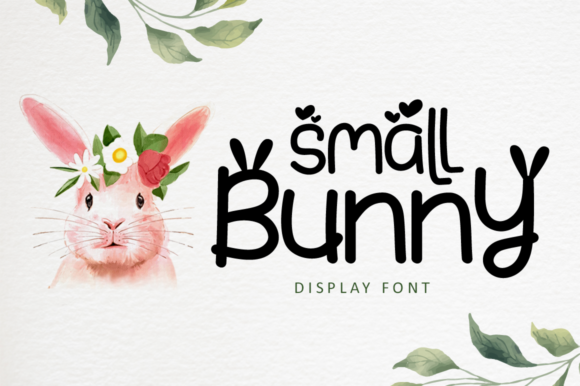
Small Bunny: A Modern Display Font for Creative Expression
Small Bunny is a display font that brings a unique charm and modern aesthetic to any design project. With its playful yet refined look, it’s ideal for those looking to add visual interest without compromising on professionalism. Whether you're designing a website, creating branding materials, or working on a creative project, Small Bunny can elevate your work with its distinctive character.
The Role of Typography in Design Workflows
Typography is more than just choosing fonts—it's about communication, clarity, and emotional impact. In the world of design, typography plays a crucial role in shaping the user experience. The right font can make a design feel cohesive, approachable, or even bold and daring. Small Bunny falls into the category of display fonts, which are typically used for headings, logos, or other prominent text elements.
Display fonts like Small Bunny are not meant to be used throughout an entire document. Instead, they should be applied strategically to highlight key information or create visual contrast. This makes them particularly useful in scenarios where you want to draw attention to specific parts of a design, such as a call-to-action, a headline, or a brand name.
When to Use Small Bunny in Your Workflow
Small Bunny is versatile and can be integrated into various stages of a design process. Here are some common use cases:
- Before a Project: Use Small Bunny to create mockups, wireframes, or concept sketches. Its cute and fun style can help visualize ideas quickly and inspire creativity.
- During a Project: Incorporate Small Bunny into presentations, mood boards, or brainstorming sessions. It adds personality and helps keep the creative energy high.
- After a Project: Apply Small Bunny to final deliverables like brochures, social media posts, or digital banners. It ensures your content stands out and feels intentional.
By using Small Bunny at different points in your workflow, you can maintain consistency while also allowing for creative flexibility. It’s especially effective when paired with more traditional fonts for body text, creating a balanced and visually appealing composition.
How Small Bunny Integrates with Other Tools
Small Bunny works well with a variety of design tools and platforms. Whether you're using Adobe Illustrator, Canva, Figma, or even Microsoft Word, the font can be easily imported and applied. Its compatibility with most design software means you can experiment with it across different mediums without limitations.
One of the advantages of using Small Bunny is its scalability. It looks great at both small and large sizes, making it suitable for both digital and print projects. This adaptability allows designers to use it in a wide range of contexts, from social media graphics to packaging designs.
Additionally, Small Bunny supports multiple languages, which makes it a valuable asset for international projects. This feature is especially useful for businesses or creators who work with diverse audiences or need to communicate across different regions.
Practical Tips for Using Small Bunny Effectively
To get the most out of Small Bunny, consider these practical tips:
- Use It Sparingly: Since it's a display font, avoid overusing it. Limit its application to headlines, logos, or key phrases to maintain readability and visual balance.
- Pair It Thoughtfully: Combine Small Bunny with a complementary sans-serif or serif font for body text. This creates a harmonious design that’s both eye-catching and easy to read.
- Test Across Devices: Ensure that Small Bunny renders consistently on different screens and devices. Some fonts may appear differently depending on the system or browser, so always check how it looks in real-world conditions.
- Consider Branding Needs: If you're using Small Bunny for branding, make sure it aligns with your overall brand identity. The font should reflect the tone and values of your business or project.
By following these guidelines, you can ensure that Small Bunny enhances your design without overwhelming it. It’s all about finding the right balance between style and functionality.
Real-World Applications and Workflow Examples
Let’s explore a few real-world examples of how Small Bunny can be incorporated into different workflows:
Example 1: Social Media Content Creation
When creating social media content, Small Bunny can be used for captions, headers, or promotional text. For instance, a boutique owner might use it to highlight product names or special offers, making the content more engaging and memorable.
Example 2: Educational Materials
In educational settings, Small Bunny can be used to create interactive learning materials or visual aids. Teachers might use it to emphasize key concepts or create visually appealing flashcards that help students retain information more effectively.
Example 3: Marketing Campaigns
For marketing campaigns, Small Bunny can serve as a signature font for branding elements like logos, taglines, or email signatures. Its modern and approachable style makes it ideal for building trust and connecting with target audiences.
These examples illustrate how Small Bunny can be adapted to fit different industries and purposes. The key is to understand the context in which it will be used and ensure it complements the overall design and message.
Long-Term Use and Consistency
When integrating Small Bunny into your design routine, it's important to think about long-term use and consistency. While it’s tempting to use it frequently, it’s best to reserve it for specific applications where its unique qualities can shine through.
Consistency in typography is essential for maintaining brand identity and user experience. By using Small Bunny in a controlled and purposeful way, you can ensure that it becomes a recognizable part of your design language without overshadowing other elements.
Additionally, keeping track of where and how you use Small Bunny can help you refine your workflow over time. As you gain more experience, you’ll develop a better understanding of when and how to apply it most effectively.
Conclusion
Small Bunny is more than just a font—it's a tool that can enhance your creative process and bring your ideas to life. Whether you're a designer, marketer, educator, or entrepreneur, incorporating it into your workflow can add a unique touch to your projects while maintaining professionalism and clarity.